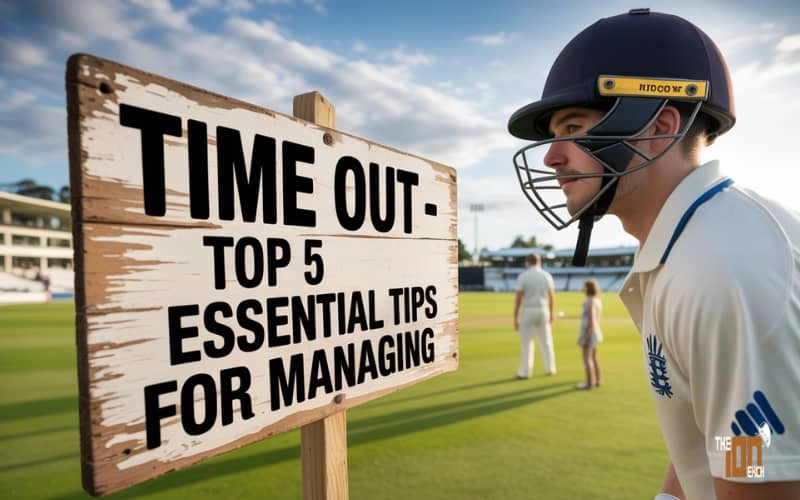
Time out in cricket is a strategic break in the game that offers players a chance to reset mentally and physically. Whether it’s a timeout in a domestic game or a strategic pause in T20 formats, understanding how to effectively manage time outs can 100exch be a game-changer for both players and teams. This article explores five essential tips for managing time out in cricket to ensure better performance and strategic advantage.
Understand the Role of Time Out in Cricket
Time out in cricket serves various purposes, depending on the format and situation. During a time out, players have the opportunity to reassess their strategies, recuperate, and prepare for the next phase of play. It is especially important in fast-paced formats like T20, where the game can change in an instant. For players, it is crucial to use this time wisely, both mentally and physically. Teams can discuss tactics, make necessary adjustments, and boost morale.
Crucially, time outs are not just about resting; they are strategic moments to outthink the opposition. Coaches use these breaks to rework field placements, analyze player weaknesses, and propose counter-strategies. Players, on the other hand, can reset emotionally, especially after a tough over or a drop in momentum. A time out offers both an opportunity to clear one’s mind and refocus on the tasks ahead.
Tip 1: Use Time Out to Regain Focus
One of the most common mistakes players make during a time out in cricket is losing their focus. A break in the game, while helpful, can sometimes disrupt a player’s concentration. To manage a time out effectively, players should aim to stay mentally Time out in cricket engaged during the pause. This could involve visualizing the next few overs, planning for potential match scenarios, or simply staying in tune with the game’s pace.
Regaining focus involves a mental reset. Players should use the break to calm their minds, breathe deeply, and avoid distractions. Instead of being consumed by the previous events of the game, players should remind themselves of their goals and their contribution to the team’s strategy. Mentally preparing for the next stage of play will ensure a seamless transition when the game resumes.

Tip 2: Prioritize Physical Recovery
While mental preparation is vital, physical recovery is equally important during a time out in cricket. The intensity of the game, particularly in formats like T20, can lead to fatigue setting in quickly. Players should use the time out to hydrate, stretch, and relax their muscles. Staying physically refreshed will help maintain peak performance levels once the break ends.
Stretching exercises or short movements to relieve tension in the legs, back, and arms can help prevent injuries and improve overall mobility. Hydration also plays a critical role in recovery. Replenishing fluids and electrolytes during a break can prevent muscle cramps and exhaustion later on in the match. Whether it’s a bowler needing a break to catch their breath or a batsman preparing for their next turn, physical recovery is key to staying at the top of the game.
Tip 3: Reevaluate Game Tactics
Time out in cricket isn’t just about taking a breather—it’s an excellent opportunity for teams to reassess their game tactics. Coaches and captains can use this time to discuss their plans, address the opposition’s strategies, and make any necessary adjustments. It’s important to remain flexible during the time out, especially if the team’s plan isn’t working as expected.
Coaches can analyze the opposition’s batting or bowling patterns and suggest modifications. For example, if the batsman is finding it difficult to score off a particular bowler, adjusting field placements or changing the bowler’s line and length could provide the breakthrough needed. Similarly, if the team is falling behind in the run chase, strategic advice on building partnerships or rotating the strike can make a big difference.
Tip 4: Encourage Positive Communication
Effective communication is one of the most important elements of cricket, and time out periods offer the perfect opportunity for positive team discussions. When players communicate with clarity and positivity, it boosts morale and fosters a collaborative atmosphere. Encouraging an open exchange of ideas can help players refocus and reenergize after a challenging phase.
During time out, the team should aim to stay positive. Negative comments or frustrations may cause distractions and shift focus away from the game. Instead, players should focus on the positives, such as good individual performances or potential strategies that could lead to success. Whether it’s reinforcing a positive approach or discussing the next few overs, time out periods should be used to strengthen the team’s resolve.
Tip 5: Plan for the Next Phase of Play
A well-managed time out in cricket is one that prepares the team for the next phase of the game. The break provides players with an opportunity to shift their mindset from the past to the future. This could involve strategizing for the next over, considering what adjustments might be necessary, or preparing for a change in the batting or bowling order.
Players should also use the time to mentally prepare for their own roles in the next part of the game. For example, a batsman waiting to take their turn should visualize facing the bowler and identify potential weaknesses in the opposition’s attack. Similarly, bowlers should focus on adjusting their lines, lengths, and deliveries to outsmart the opposition. In short, the time out is a moment to prepare for what comes next, not just to reflect on what has happened.
Conclusion
Time out in cricket is more than just a break—it is a strategic opportunity to reset and reevaluate. By using the time wisely, players can maintain focus, recover physically, and fine-tune their tactics for the remainder of the game. Whether it’s a break in a T20 match or a strategic pause in a longer format, the key to success is to approach time out as a chance to regain composure and prepare for the next phase. Implementing these five essential tips will help players and teams get the most out of their time out in cricket and increase their chances of success on the field.